Child Poverty and Education: The Impact of Poverty in the Classroom
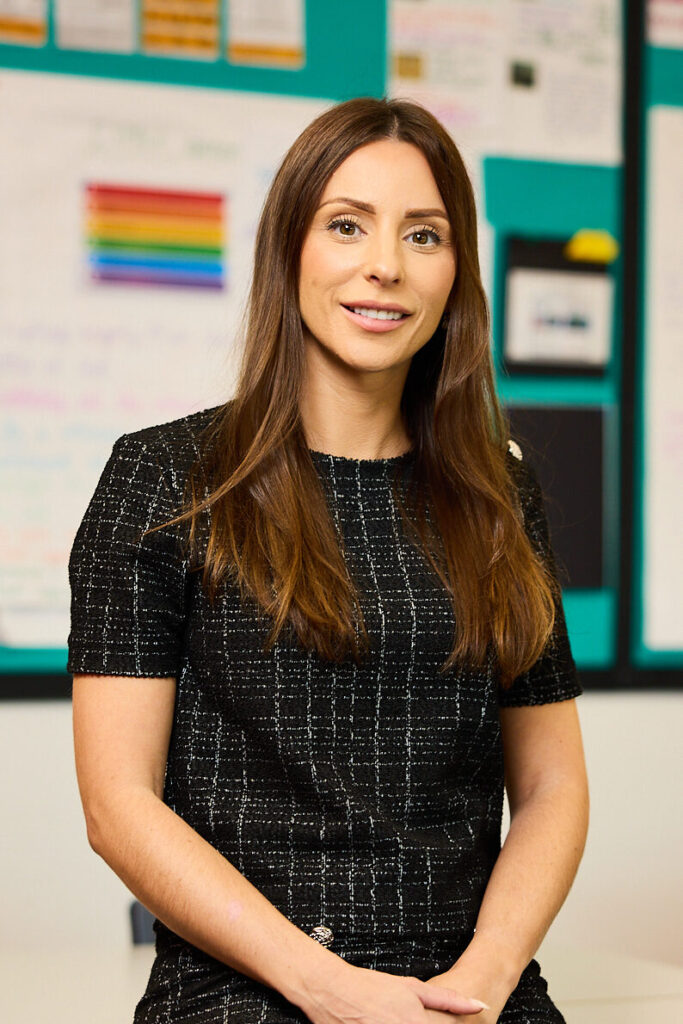
I’m entering my 19th year of teaching and leading a school in an area categorised in 2018 by the government as being in the top 1% of most deprived areas in England according to the Index of Multiple Deprivation. As a child, I attended a school in the same postcode and lived in local authority housing. I thought this meant I understood the lived experience of children who qualify for pupil premium. Maybe it does – to an extent.
How does child poverty affect education?
The impact of poverty in the classroom is a multifaceted issue that significantly affects children’s learning experiences.
Yet in the UK today, 4 million children are growing up in poverty. That means, in a typical classroom of 30 pupils, 9 are likely to be living in families struggling to make ends meet (Sean Harris 2025).
These are not just numbers, but real children who deserve a fair chance at gaining an education; a shot at breaking the repetitive cycle of poverty.
The impact of poverty in the classroom
There are many ways that living in poverty can affect a child’s experience at school. These can include:
- struggling to afford uniform or to be able to wash uniform
- struggling to afford equipment or trips
- a lack of cultural capital and experiences outside of school that peers have, which helps them access the curriculum better
- a lack of access to books at home
- a lack of access to technology or a quiet space for homework
- limited space at home, which can prevent core development and gross motor skills
All the barriers listed above, and more, can leave a child feeling embarrassed and excluded from their friends.
Now add in a lack of bed
Imagine if, on top of all those barriers, you don’t have a bed.
You’re facing enough barriers making school difficult. Then, added to all that, you are tired. Chronically tired. You ache and you know it’s going to be the same again tonight.
For an estimated 894,000 children, this is the reality (Banardo’s No Crib for a Bed 2023) .
A lack of sleep can make it even harder for children to concentrate, learn and engage at school. When a child is already facing the challenges associated with poverty, not having somewhere comfortable to sleep adds another significant barrier to their education and wellbeing.
As a society we must do better. We must challenge and change those stats.
Ending Child Bed Poverty
At Zarach we’re on a mission to end child bed poverty – but we can’t do it alone.
We need your support, whether through donations, organising fundraising events, volunteering, signing up for our newsletters or sharing our posts.
We’re approaching delivering our 20,000th bed. We’ve come so far, but there is much to do.
The more people, like you, who commit to making a fuss, kicking up a stink and not stopping until we live in a country where every child has a bed, the more we will be listened to by those in places of power and influence.
Together, we can end child bed poverty.
Every child deserves the chance to learn, grow and thrive at school. Having a bed to sleep in should not be a barrier to that.
Together, we can end child bed poverty.